Extra Income From Home: A New Way To Get Paid For Short Videos You Film Yourself
One illustrative case study on the second income now open to anyone with a smartphone — no big following required.
On a Tuesday afternoon between school pickups, she films a forty-second unboxing on her kitchen counter. By the weekend, that one clip has turned into her first paid brief — a small but real step toward extra income from home.

Grocery bills climb every few months. Rent, fuel, school fees — the list of costs that only ever move upward doesn't leave much room for saving. It's no surprise that so many people are quietly looking for a second income from home that fits around a job, a family or a full timetable, rather than replacing it.
One of the quieter income trends of the last couple of years sits inside a phone's camera roll. Brands now pay everyday people — not influencers, not models — to film short, honest videos about products they already use: an unboxing, a quick demo, a first impression said straight to camera. It's known as UGC, short for user-generated content, and it has become one of the more accessible new income methods for anyone willing to press record.
MEDIA MARKETING INVESTMENTS LTD may earn a commission if you sign up through links on this page. The UGC Agency — not MEDIA MARKETING INVESTMENTS LTD — provides the service.
See How The UGC Agency WorksA New Income Method Built On Short Phone Videos
Here's the shift behind it: brands running ads on social feeds need a constant supply of video that looks native, not polished. Rather than booking a studio and a model, they pay individual creators — often working from a bedroom, kitchen or lounge — for a single approved clip. Agencies and matching platforms sit in between, connecting creators with the brands that need footage.

How it works, in plain terms: a creator builds a short profile describing what they film and who they are, then gets matched to briefs — a set of instructions for a specific product video. There's no interview, no large following to build first, and no office to show up to. It's project work you do from home, on your own schedule.
This isn't a brand-new industry — brands have paid for user-generated footage for years. What's shifted is how it reaches ordinary people. A few years ago, getting a brief usually meant already having an audience. Today, matching tools do the introducing, which is why this new income method has spread well beyond people who call themselves influencers.
Inside An Illustrative First Week
To make the idea concrete, here's how a typical first week might play out for a new creator. This is an illustrative, anonymised scenario built from how the process generally works — not a real member, and not a promise of what anyone will earn.
Signing Up Takes Minutes
She starts by creating a profile on The UGC Agency's own site: a note on her niche, links to her social accounts, and the rate she'd be comfortable with for a video. No portfolio reel, no camera equipment list — just a short application.

The First Brief Lands
A few days later, a brief comes through for a skincare brand looking for a first-impressions video. It's for her niche, the rate is shown upfront, and she can pass on it if it isn't a fit — this one, she takes. The instructions are simple: introduce the product, show it in use, keep it under a minute.
Filming, Editing, Uploading
She films three short takes by a window for natural light, picks the cleanest one, trims the start and end on her phone and adds a caption over the first few seconds. The whole thing — filming and a light edit — takes under an hour. Then it's uploaded for the brand to review.
Payout Day
Two days later, the brand approves the clip. The payment lands as a direct bank transfer, no invoice needed on her side. It isn't a wage and it isn't guaranteed every week — but for one evening's work, it's a real contribution toward that month's bills.
What The UGC Agency Pays — And When It Lands
Here is what The UGC Agency itself says about how the pay and process actually work, so there's no guessing:
- According to The UGC Agency, its application takes about a minute and asks for a creator's niche, social profiles and rate.
- Profiles go into its in-house matching tool, and creators are notified when a brief fits their niche and rate.
- The rate for a brief is shown before a creator commits, and a creator can pass on any brief.
- It hires across beauty, tech and apps, health and fitness, B2B software, finance, food, lifestyle, travel, gaming, pets, parenting, fashion, home and wellness.
- The agency says most of its creators film on their phone, there is no follower minimum, and there are no fees to join.
- It primarily works with creators based in the UK, US, Canada, Australia, Ireland and Western Europe.
- The agency cites typical industry rates of about $100 to $500+ per video,* with the exact rate for each brief shown upfront.
- Payment is a direct bank transfer once the brand approves the content.
*As published by The UGC Agency; check its site for current rates.
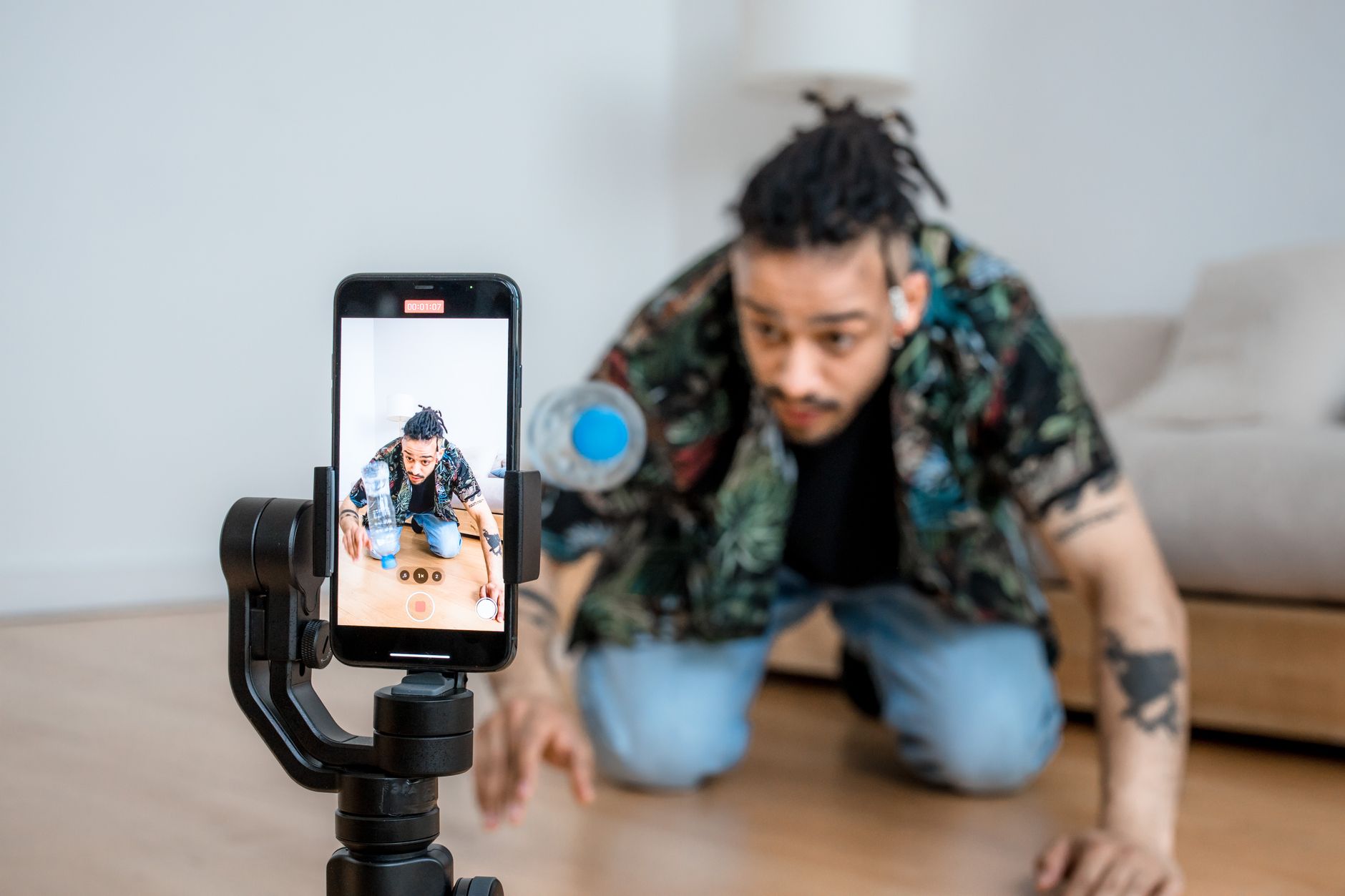
Extra Income To Offset The Cost Of Living — Not A Get-Rich Scheme
None of this replaces a full salary, and it shouldn't be treated that way. Pay is per approved project, there's no guaranteed number of briefs, and busy weeks and quiet weeks both happen. Framed honestly, it's extra income to help offset the cost of living — a way to chip away at a bill or top up savings, rather than an alternative to saving altogether or a shortcut to getting rich.
What makes it worth a look is the low barrier to trying it: no fees to join, no equipment beyond a phone most people already own, and no long training period before the first brief.
Who This Suits
This tends to suit people who are comfortable filming themselves or a product on their phone and want flexible, paid project work from home. You don't need a large following, acting experience or professional editing skills.

What you'll actually need is straightforward:
- A recent smartphone camera — an iPhone 11 or an equivalent Android device
- Natural light or a ring light, and clear audio
- The ability to follow a written brief; one or two sample videos help an application stand out
It suits a parent filling gaps around school hours, a student between lectures, or anyone already comfortable posting to social media who'd rather get paid for a version of that skill. It doesn't suit someone looking for fixed hours, a guaranteed monthly figure, or work that needs no camera at all.
What To Know Before You Start
- Acceptance isn't automatic — every application is reviewed, and busy categories can be waitlisted.
- Work depends on brand briefs being open for a creator's niche, demographic and country.
- Pay is per project; there is no salary and no guaranteed number of briefs.
- Most briefs need basic editing (cuts, subtitles) and some need a revision before approval.
How It Works, Step By Step
If the idea of a new income method built around short phone videos sounds worth trying, here's the shape of it from start to finish:
- Apply on The UGC Agency's own site with your niche, social links and the rate you want.
- Get matched through its tool when a brief opens up that fits your niche and rate.
- Review the rate and the brief, then film and lightly edit a short video that follows it.
- Upload the video for approval, and receive payment by direct bank transfer once it's approved.

Joining is free, according to The UGC Agency, and applications are reviewed rather than automatic. The next real step is on their site, not this one.
MEDIA MARKETING INVESTMENTS LTD is an independent publisher and may earn a commission if you sign up through this link.
Join Free — See How It WorksThe Bottom Line
Nothing here is a guarantee of income, and it shouldn't be sold as one. What the case study above illustrates is a realistic shape for the work: a short application, a brief with the rate attached, a phone-filmed video, and a payout once it's approved — repeated as often as briefs allow. For someone hunting for extra income from home that doesn't demand a following, a studio or a second job's worth of hours, it's a new income method worth a closer look, on the provider's own terms.